48 Hours Around Tower Bridge: A Local Itinerary
From sunrise on the river to late-night views above the City, here is how to spend a perfect weekend in London’s most storied riverside neighbourhood.
Few stretches of London wear their history as openly as the bend of the Thames between Tower Bridge and Wapping. The wharves that once swallowed cargoes of tea, spice, hemp and wool now hold hotels, restaurants and galleries, but the trade never fully left: it lingers in the street names, in the iron cranes still bolted to the brick, and in the smell of the river at low tide. Two unhurried days here will show you a version of the city that most weekend visitors, funnelled toward Westminster, never see.
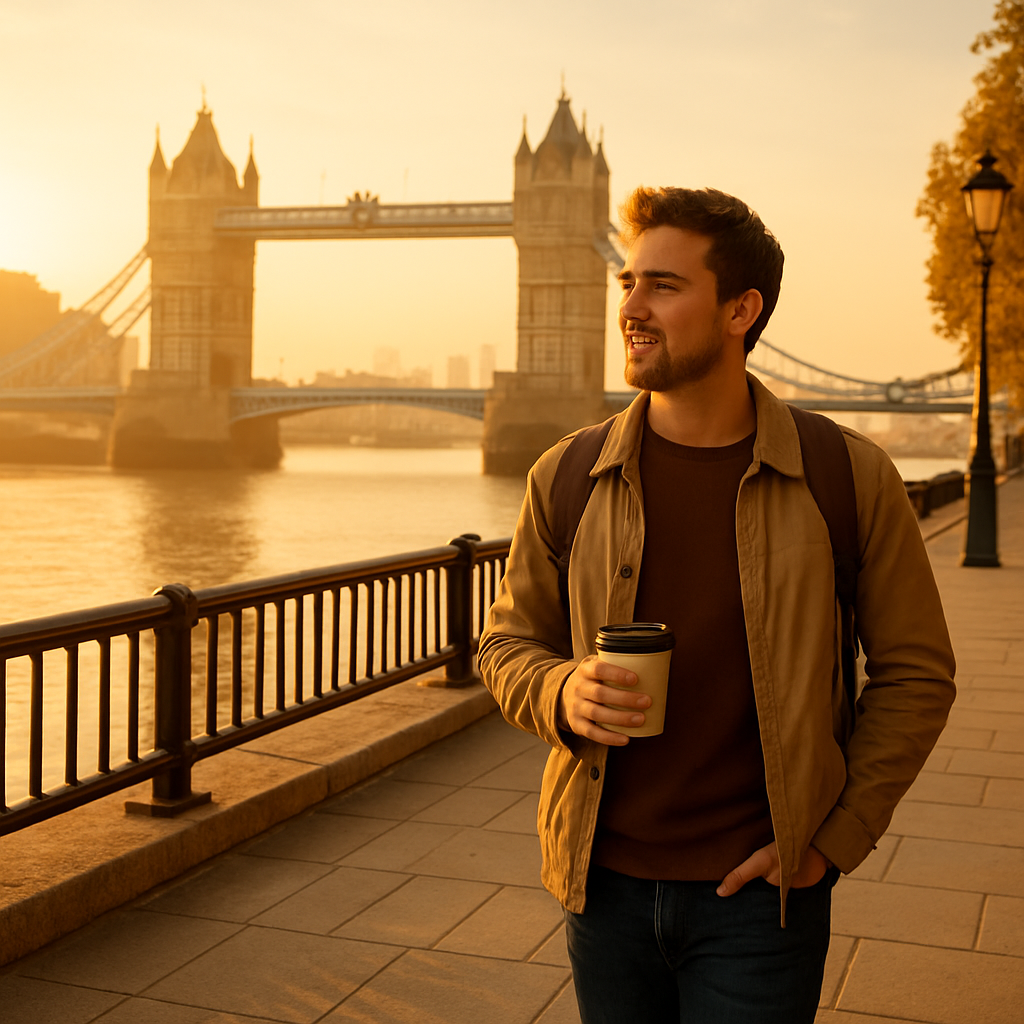
Begin the first morning before the neighbourhood wakes. The light on the water just after sunrise is the kind photographers set alarms for, and the cobbled canyon of Shad Thames — walled in by warehouses and stitched together overhead by the wrought-iron gangways that once moved sacks between buildings — is genuinely empty before nine. Take a coffee from one of the early-opening cafés near Butler’s Wharf and walk east with the river on your left. You will have one of the great urban views in Europe almost entirely to yourself.
Mid-morning, turn your back on the river and go inland to Bermondsey Street. This is the neighbourhood’s quietly confident heart: independent coffee roasters, the pink-and-yellow Fashion and Textile Museum, White Cube’s cavernous gallery, and, on a Saturday, the tight, delicious crush of Maltby Street Market beneath the railway arches. Eat standing up, follow your nose, and look up often — the interplay of Victorian brick viaducts and glass warehouse conversions rewards a slow pace.
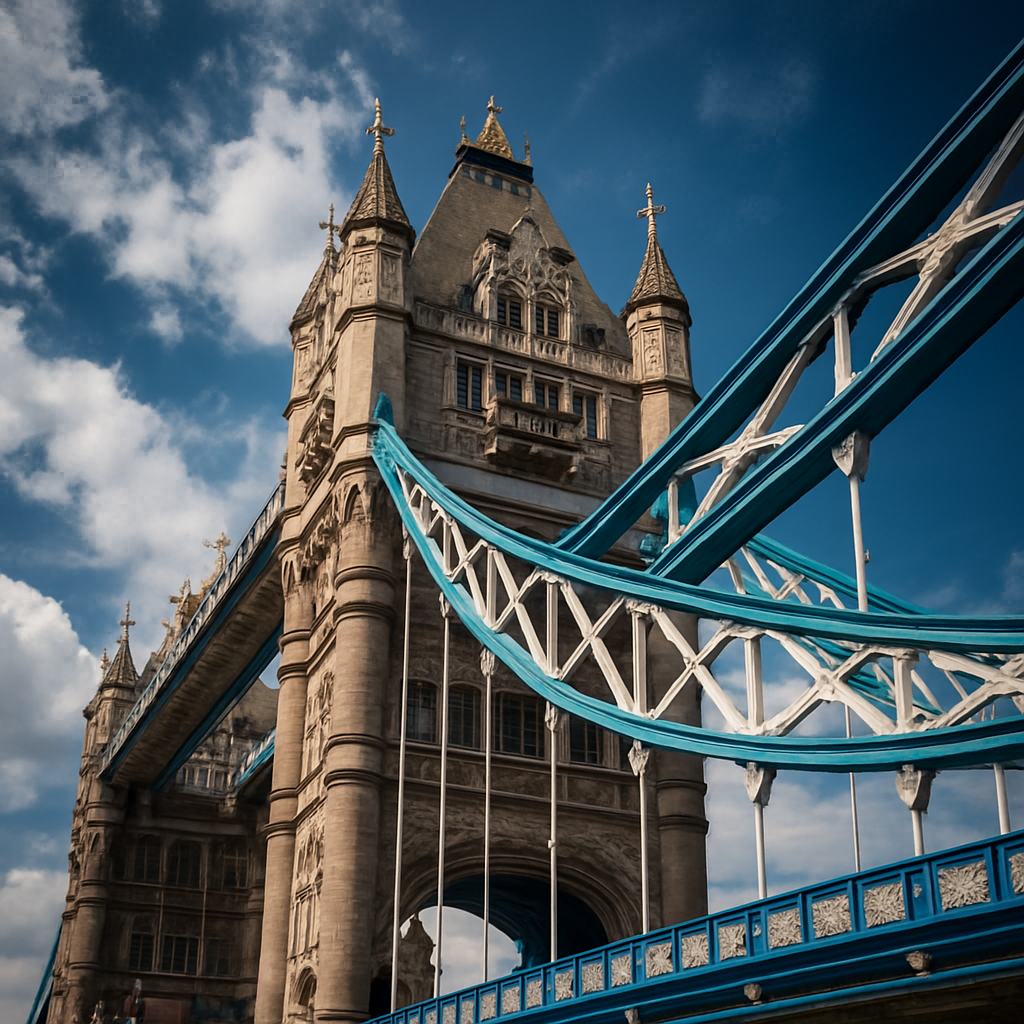
Spend the early afternoon on the bridge itself. Book the Tower Bridge Exhibition ahead and climb to the high-level walkways slung between the two towers; the glass floor, forty-two metres above the road, lets you watch buses and boats pass beneath your feet. Most visitors stop there, but the ticket also admits you to the Victorian engine rooms on the south bank, where the vast coal-fired machinery that lifted the roadway for eighty years stands oiled and complete. It is the most quietly astonishing thing in the area and the least crowded.
As the afternoon softens, cross back to the Tower of London and time your arrival for the last ninety minutes before closing, when the coach parties have thinned and the Yeoman Warders have room to tell a story properly. The Crown Jewels are the headline, but the older, stranger pleasures are the ravens, the graffiti scratched into cell walls by Tudor prisoners, and the sheer weight of nine centuries pressing down inside the White Tower.
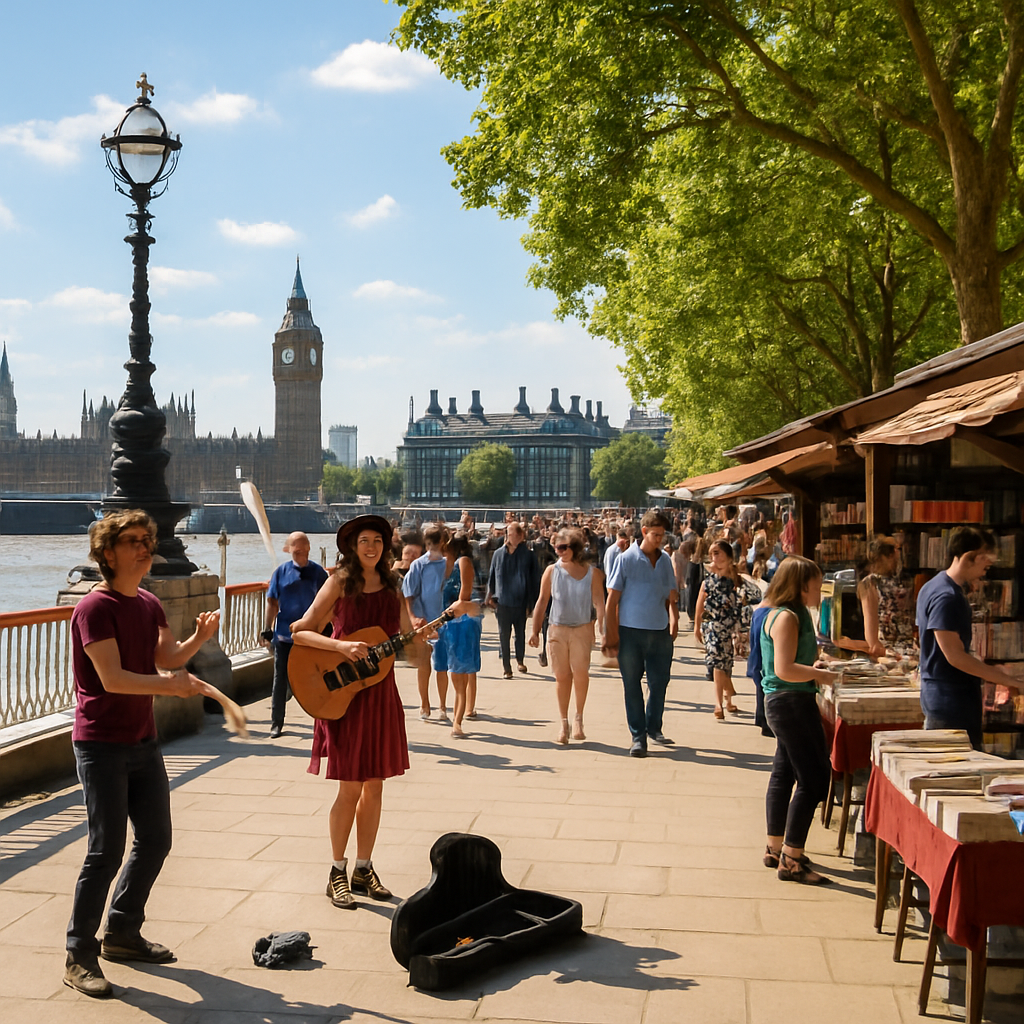
Give the second day to the water and the wider city it connects to. From Tower Pier you can pick up a river service and be at Greenwich, Westminster or Bankside in minutes — the Thames is still the fastest and by far the most beautiful way to move through London. If you would rather stay on foot, the Thames Path west toward Bankside strings together HMS Belfast, Borough Market and the Globe in a single easy afternoon.
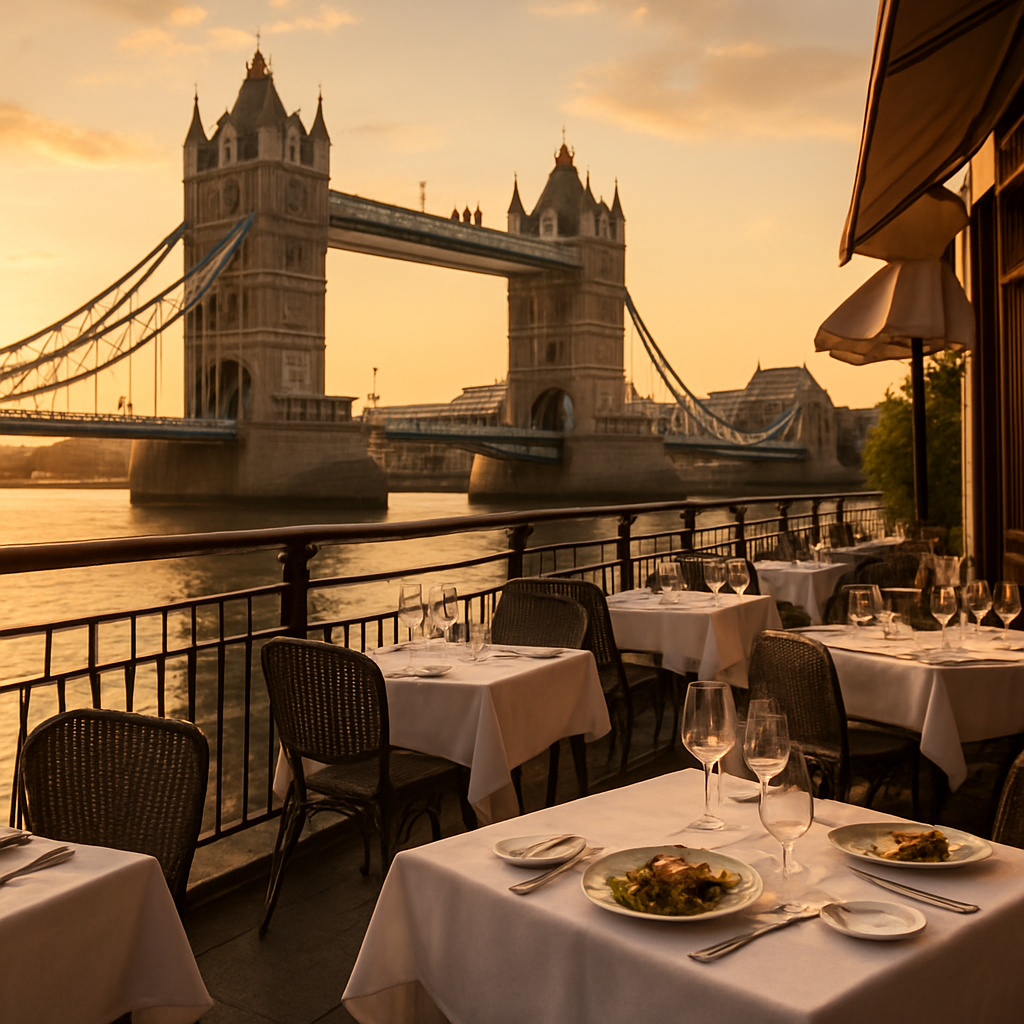
End where you began, on the bridge after dark. The towers are floodlit, the river doubles every light, and the City glitters coldly behind you while the older streets of the south bank glow warm. Stand there for a moment and it becomes obvious why people have been drawn to this exact turn in the Thames for a thousand years — and why choosing to sleep within walking distance of it changes the texture of a whole trip.
Planning a London trip?
Browse our handpicked hotels around Tower Bridge — best price guaranteed, with free cancellation on most rooms.
Explore hotels